


The internet says 2026 is the new 2016 — let's face it
The internet loves comparisons — and lately, one idea keeps popping up: 2026 is the new 2016. But what does this really mean for interior design? To understand where design might be headed today, it helps to look back and analyze interior design in 2016, a period defined by safety, simplicity, and the pursuit of universal acceptance rather than personal expression.
2016: when playing it safe was the goal
Interior design in 2016 was marked by a desire for calm and order.
Spaces were designed to be clean, balanced, and easy to live in—interiors that did not divide opinion or overstimulate the senses. Strong contrasts, bold narratives, and emotional intensity were consciously avoided.
Design decisions prioritized harmony over character. As a result, many interiors were polished and pleasant, but deliberately neutral—designed to blend in, not stand out.
Minimalism as a symbol of modern luxury
In 2016, minimalism was widely perceived as a form of luxury.
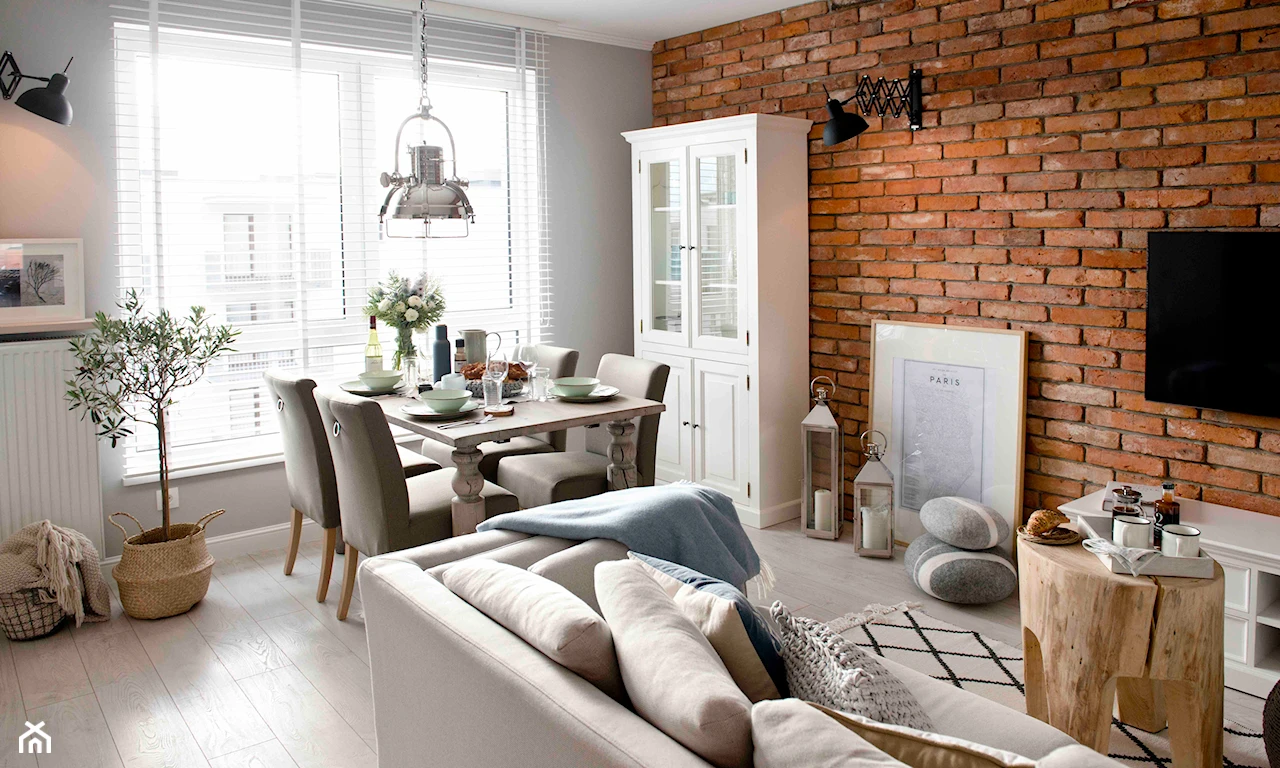
Bright, neutral interiors dominated, built around white walls, light woods, and continuous, smooth surfaces. The goal was to maximize light and create a feeling of spaciousness, even in small spaces.
This approach resulted in interiors that were orderly and light, but also restrained. Personal layers were reduced in favor of visual clarity, reinforcing the idea that less was more and that simplicity equaled sophistication.
Scandinavian calm and subtle industrial influences
The aesthetic language of interior design in 2016 relied heavily on Scandinavian influences and a softened industrial style.
Exposed brick walls, light floors, and simple geometric accents became commonplace, while kitchens and bathrooms opted for shiny, minimalist finishes as a sign of modernity.
These choices created cohesive and contemporary interiors, though often interchangeable—recognizable, but rarely unique.
Color: present, but controlled
Color was not absent, it was simply used sparingly.
Pastels, grays, and muted tones dominated the palettes, while more intense colors appeared as decorative accents rather than structural elements of the design.
Nature entered interiors mainly through plants and botanical wallpapers, reflecting the popularity of the so-called "urban jungle." Vegetation softened the neutral bases, but remained a complement, not the narrative focus of the space.
Why 2016 interiors still feel familiar
Looking back, interior design in 2016 prioritized comfort, neutrality, and visual harmony.
These were spaces that were easy to like, easy to maintain, and easy to accept—especially appealing at a time when homes had to appeal to a wide audience.
However, many of these interiors lacked individuality. They lacked depth, emotion, and a strong personal narrative—qualities that design increasingly values today.
So... is 2026 really the new 2016?
The comparison is tempting, but simplistic.
Although certain visual echoes may return—calm, balance, simplicity—the intention behind the design has changed.
Unlike in 2016, today's interiors no longer seek neutrality for its own sake. Today, they pursue meaning, atmosphere, and emotional connection. The lessons of 2016 are not repeated—they are reinterpreted.
From safe to meaningful
If 2016 taught us to create visually tranquil spaces, the coming years will teach us to make them personal.
Design is shifting its focus from being universally acceptable to becoming authentic, intentional, and lived-in.
And that's where the real difference lies: 2026 may visually resemble 2016, but emotionally it moves in a completely different direction.



Loriini Blog
At Loriini, we believe in the art of living luxuriously. Founded with a passion for beauty and sophistication, we specialize in providing exceptional furniture, exquisite interior decor, and exclusive real estate that transform spaces into stunning sanctuaries.